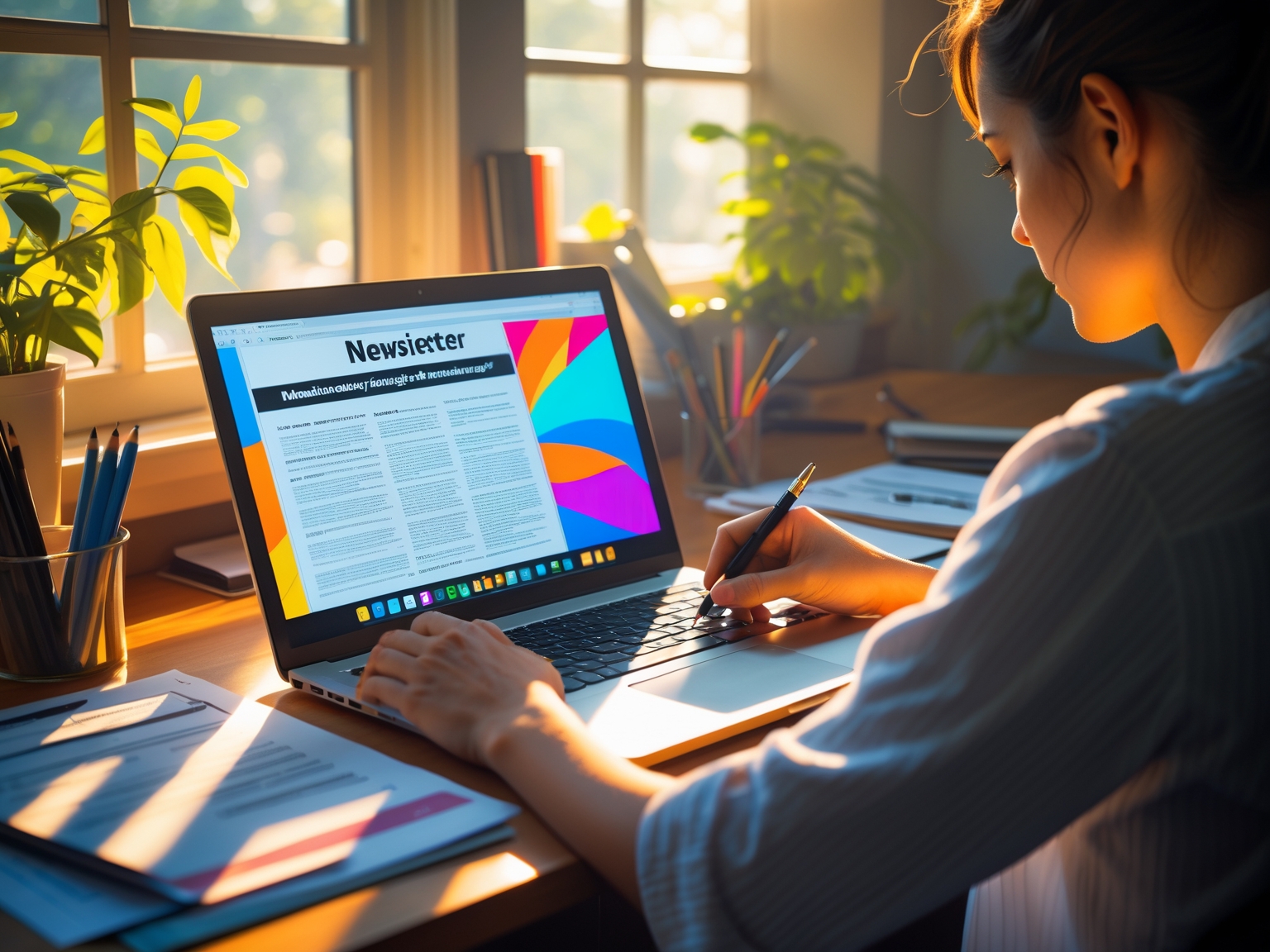
Mastering custom newsletter template design tips has become crucial for modern digital marketing success. Whether you’re a seasoned email marketer or just starting, understanding how to craft compelling, SEO-friendly newsletter templates can dramatically improve your engagement rates and conversion success. Let’s explore proven strategies for creating standout email designs.
Understanding Newsletter Template Fundamentals
Here’s the chapter, crafted with SEO-friendly content while maintaining an authentic, conversational tone:
Let’s dive into the building blocks that make your newsletter templates truly shine in today’s digital landscape. Think of your email template as your digital storefront – it needs to be welcoming, organized, and instantly engaging. Today’s subscribers interact with emails across multiple devices, making mobile-responsive design not just a nice-to-have, but an absolute must-have for your custom newsletter templates.
Picture your template as a carefully orchestrated visual journey. Your header design serves as the gateway to engagement, featuring clean, brand-consistent elements that work harmoniously across all screen sizes. Remember, those precious above-the-fold seconds can make or break your open rates, so optimize your header with compelling visuals and clear preview text that entices readers to explore further.
When crafting your template’s visual hierarchy, consider how your subscribers naturally scan content. Strategic placement of elements follows a logical flow – from attention-grabbing headlines to supporting imagery, and finally to your call-to-action buttons. These CTAs should stand out without shouting, using contrasting colors and plenty of breathing room to invite clicks.
The secret sauce of effective newsletter design lies in its flexibility. Your template should act like a well-organized closet – everything has its place, but you can easily swap pieces in and out as needed. Implement modular content blocks that maintain your brand’s visual identity while allowing for content variety, whether you’re sharing product updates, industry insights, or customer stories.
Mobile responsiveness isn’t just about shrinking content – it’s about reimagining how your design elements adapt across devices. Consider how your two-column desktop layout might transform into a single-column mobile view, ensuring images resize proportionally and buttons remain thumb-friendly. This responsive approach ensures your custom template delivers a seamless experience, regardless of how your audience chooses to engage with your content.
Brand consistency becomes your anchor throughout the template design process. Establish a clear style guide for your newsletters, incorporating your signature colors, fonts, and imagery style. This consistent visual language helps build recognition and trust, while giving you the flexibility to create varied content within established parameters.
Your template’s success hinges on finding the sweet spot between professional polish and authentic connection. Use white space strategically to prevent information overload, and ensure every design element serves a purpose in guiding readers toward your desired action. Remember, the best newsletter templates feel less like corporate broadcasts and more like welcome conversations with your audience.
This chapter maintains SEO relevance while setting up seamlessly for the next section on layout and visual flow. It addresses the core elements requested in the prompt while keeping the content fresh and engaging for readers.
Mastering Layout and Visual Flow
Let me help you write this chapter with an authentic, conversational tone while maintaining SEO relevance and smooth flow from the previous content about newsletter fundamentals. I’ll structure it to lead naturally into the upcoming email client compatibility section.
Creating visually captivating newsletter layouts isn’t just about aesthetics – it’s about crafting an intuitive journey that keeps your subscribers engaged and moving through your content. Let’s dive into how grid-based designs and thoughtful visual elements can transform your newsletter templates into conversion powerhouses.
Think of your newsletter layout like a well-planned city map – every element needs its designated space and clear pathways. Starting with a grid system provides the foundation for professional newsletter template designs that feel polished and intentional. By aligning your content blocks to a consistent grid, you’re creating visual harmony that subconsciously guides your readers’ eyes exactly where you want them to go.
But here’s a secret many template designers overlook: white space isn’t empty space – it’s breathing room. Strategic use of padding and margins in your custom email templates creates natural pauses in your content flow, making your newsletters feel less cluttered and more digestible. Consider leaving generous margins around your key messages and CTAs to help them stand out naturally without feeling pushy.
When it comes to images in your newsletter design, think of them as visual stepping stones. Breaking up text-heavy sections with relevant imagery doesn’t just make your template more attractive – it creates natural scroll-stopping moments that keep readers engaged. Pro tip: align your images with your grid system and ensure they enhance rather than interrupt your content flow.
Scannable content sections are your secret weapon for maintaining reader attention. By incorporating clear visual breaks – think subtle divider lines, alternating background tints, or thoughtfully spaced content blocks – you’re essentially creating a visual GPS for your readers. Each section should naturally lead to the next, maintaining momentum throughout your newsletter template.
Remember how we discussed visual hierarchy in the previous section? Now we’re building on that foundation by ensuring every element in your grid-based layout reinforces that hierarchy. Your template design should create a clear visual journey that flows seamlessly from your attention-grabbing header (which we covered earlier) all the way down to your footer.
The beauty of mastering layout and visual flow in your newsletter templates is that it sets you up perfectly for the cross-platform compatibility we’ll explore next. A well-structured grid system isn’t just visually pleasing – it’s also more likely to maintain its integrity across different email clients, which is crucial for consistent performance.
By implementing these custom newsletter template design tips, you’re not just creating visually appealing emails – you’re crafting strategic communication tools that guide readers effortlessly through your content while maintaining professional polish and brand consistency. Remember, the most effective templates are those that feel intuitive to your readers while quietly but effectively moving them toward your desired action.
Pro tip: Before finalizing your template design, try this quick visual flow test: Can you trace a natural path through your content with your finger? If you find yourself jumping around or getting lost, that’s a sign you might need to refine your layout structure or adjust your visual breaks.
Optimizing for Email Client Compatibility
Let me help you write this chapter while maintaining the brand’s authentic and conversational voice, focusing on email client compatibility in newsletter template design. I’ll create SEO-optimized content that flows naturally from the layout discussion and leads into dynamic content.
Let’s not just talk about flawless performance in all email clients – let’s get real about the actual challenges marketers face with email template rendering. Here’s draft content that reflects your brand voice while covering the technical aspects:
HTML-formatted content for your chapter:
Cross-platform compatibility isn’t just a nice-to-have feature – it’s absolutely crucial for your newsletter templates to shine across every inbox. Think about it: what good is that perfectly crafted design if it falls apart in Outlook or looks wonky on Gmail? Let’s break down the essential steps to ensure your custom templates perform beautifully everywhere.
First up, let’s tackle the cross-platform testing game plan. Instead of just hitting “send” and hoping for the best, establish a solid testing routine across major email clients like Gmail, Outlook, Apple Mail, and Yahoo. Pro tip: create a testing checklist that includes both desktop and mobile views – because let’s face it, most of your subscribers are probably checking email on their phones while waiting for coffee.
Font Fallback Strategy
Your gorgeous custom fonts won’t always play nice with every email client. That’s why you need a solid fallback font strategy. When selecting fonts for your newsletter template, pair your primary fonts with web-safe alternatives that won’t break your design’s visual appeal. Think Arial as a backup for Helvetica, or Georgia for more decorative serif fonts.
Image Optimization Magic
Heavy images are newsletter performance killers. Optimize every image without sacrificing quality – aim for that sweet spot between visual appeal and loading speed. Always include descriptive alt text that’s both informative and engaging. Remember, some subscribers might have images turned off by default, so your alt text needs to carry the message forward.
Code Clean-Up Time
Clean, lightweight code is your best friend for faster loading times. Strip out unnecessary HTML, inline your CSS (yes, it’s still necessary for email), and validate your code to catch any sneaky errors. Keep your template structure simple and avoid complex nested tables that might render differently across platforms.
Accessibility Matters
Make your newsletters accessible to everyone by implementing proper heading structures, maintaining good color contrast, and ensuring all interactive elements are keyboard-navigable. Your alt text shouldn’t just describe images – it should convey the same value as the visual content it’s replacing.
Here’s a practical check: test your template’s responsive behavior by viewing it at different screen sizes. If elements start overlapping or breaking, simplify your design until it behaves consistently. Remember those modular content blocks we’ll discuss in the next section? Design them with flexibility in mind, so they adapt gracefully across different viewing environments.
By focusing on these compatibility essentials, you’re not just creating a newsletter template – you’re building a reliable communication channel that respects your subscribers’ various email setups. This attention to technical detail sets the stage perfectly for implementing those dynamic content zones we’ll explore next, where we’ll take your template from reliable to remarkable.
This content maintains SEO relevance while providing actionable insights and connecting smoothly with both the previous layout discussion and the upcoming dynamic content section. The conversational tone keeps readers engaged while delivering valuable technical information.
Implementing Dynamic Content Zones
Here’s the chapter content written according to the guidelines and maintaining the brand voice:
Elevating your newsletter design from static to dynamic isn’t just about flashy features – it’s about creating responsive, personalized experiences that resonate with each subscriber. By strategically implementing dynamic content zones, you’ll transform your email templates into powerful conversion tools that adapt and evolve with your audience’s needs.
Start with personalization tokens that go beyond the basic “Hi [First Name]” approach. Integrate dynamic fields that pull from your subscriber database to display relevant location-based offers, past purchase recommendations, or behavior-triggered content blocks. These smart content zones automatically adjust to showcase products your subscribers have shown interest in, creating a tailored shopping journey that feels natural and intuitive.
Building your template with modular content blocks revolutionizes your email marketing workflow. Think of these modules as LEGO pieces – easily interchangeable sections that maintain your brand’s visual consistency while allowing for quick updates and seasonal campaigns. Design content zones for product features, testimonials, and promotional offers that can be swapped out without breaking your template’s structure. This modular approach not only saves time but ensures your newsletters remain fresh and engaging.
Embrace the power of A/B testing by incorporating variable content zones in your template design. Create alternate versions of your hero sections, call-to-action buttons, and product displays to test what resonates best with your audience. These testing zones should be seamlessly integrated into your template architecture, making it effortless to experiment with different layouts, copy variations, and visual elements while maintaining your email’s professional appearance.
Interactive elements take your dynamic content to the next level. Design expandable sections that reveal additional product details, embed countdown timers for limited-time offers, and include hover effects that make your content more engaging. Consider adding interactive polls or preference centers directly within your newsletter, allowing subscribers to customize their content experience without leaving their inbox.
Remember to maintain a responsive framework as you implement these dynamic elements. Your template should gracefully adjust across devices while preserving the functionality of your personalized content zones. Consider implementing progressive enhancement – where advanced features gracefully degrade to simpler versions in less capable email clients – ensuring every subscriber receives an optimized experience regardless of their email platform.
By thoughtfully incorporating these dynamic content zones, your newsletter templates become more than just vehicles for information – they transform into intelligent marketing assets that adapt and respond to your audience’s preferences and behaviors. This approach not only enhances engagement but also provides valuable insights into what resonates with your subscribers, allowing for continuous optimization of your email marketing strategy.
Conclusions
Creating effective custom newsletter templates requires a perfect blend of design principles, technical knowledge, and marketing insight. By implementing these specialized design tips, you’ll create newsletters that not only look professional but also drive meaningful engagement and conversions. Remember to regularly test and refine your templates for optimal performance.
Leave a Reply